A Mill, a Chapel and a Shared Military History at St Paul’s, Low Moor, Clitheroe
Author: Richard James
Submariners Association
Four members of the Merseyside Submariners’ Association were invited to a service in Lancashire which uncovered a fascinating historical link with the Royal Engineers.
One mile from Clitheroe, Lancashire, Low Moor’s history is woven into the legacy of the Garnett family, who built the original cotton mill, the surrounding village, and St Paul’s Church, which quickly became the community’s centre of gravity. When the mill closed in 1930, nobody could have predicted that its empty buildings would, a decade later, house No. 1 Training Battalion, Royal Engineers (1 TBRE) during the Second World War.
From 1940 to 1946, St Paul’s became the battalion’s garrison church, and a dedicated Royal Engineers’ Chapel still marks that chapter of the village’s story.
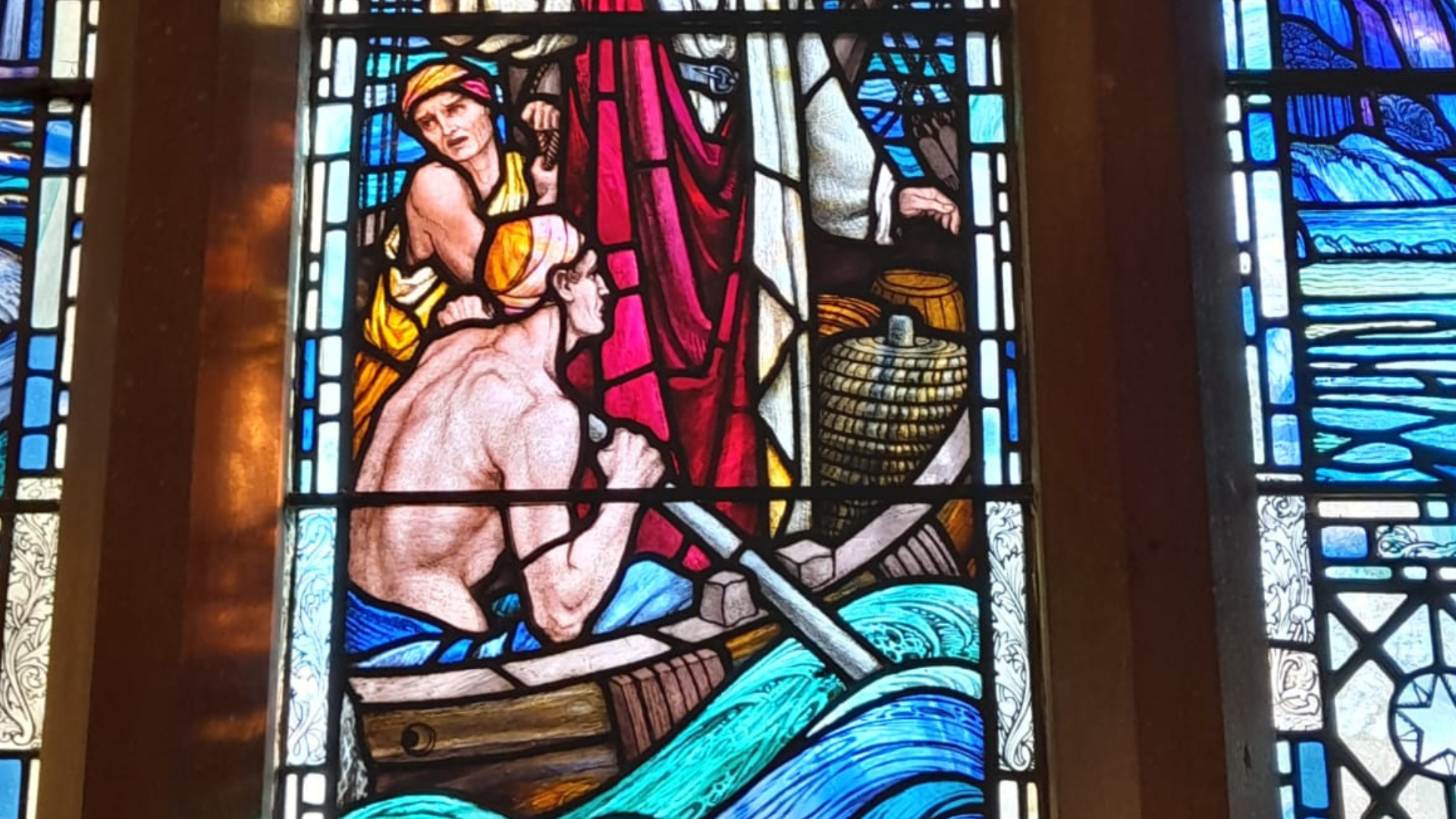
The Garnett family’s connection to the Armed Forces did not end there. Their son, Lieutenant Commander Richard Newstead Garnett, Royal Navy served as a submariner and commanded several Royal Navy submarines before being tragically lost in the disastrous sinking of HMS Thetis, in Liverpool Bay, during sea trials in June 1939. His family installed a stained-glass window in St Paul’s Church in his memory — a reminder that the history of this village and the history of the Services have long overlapped.
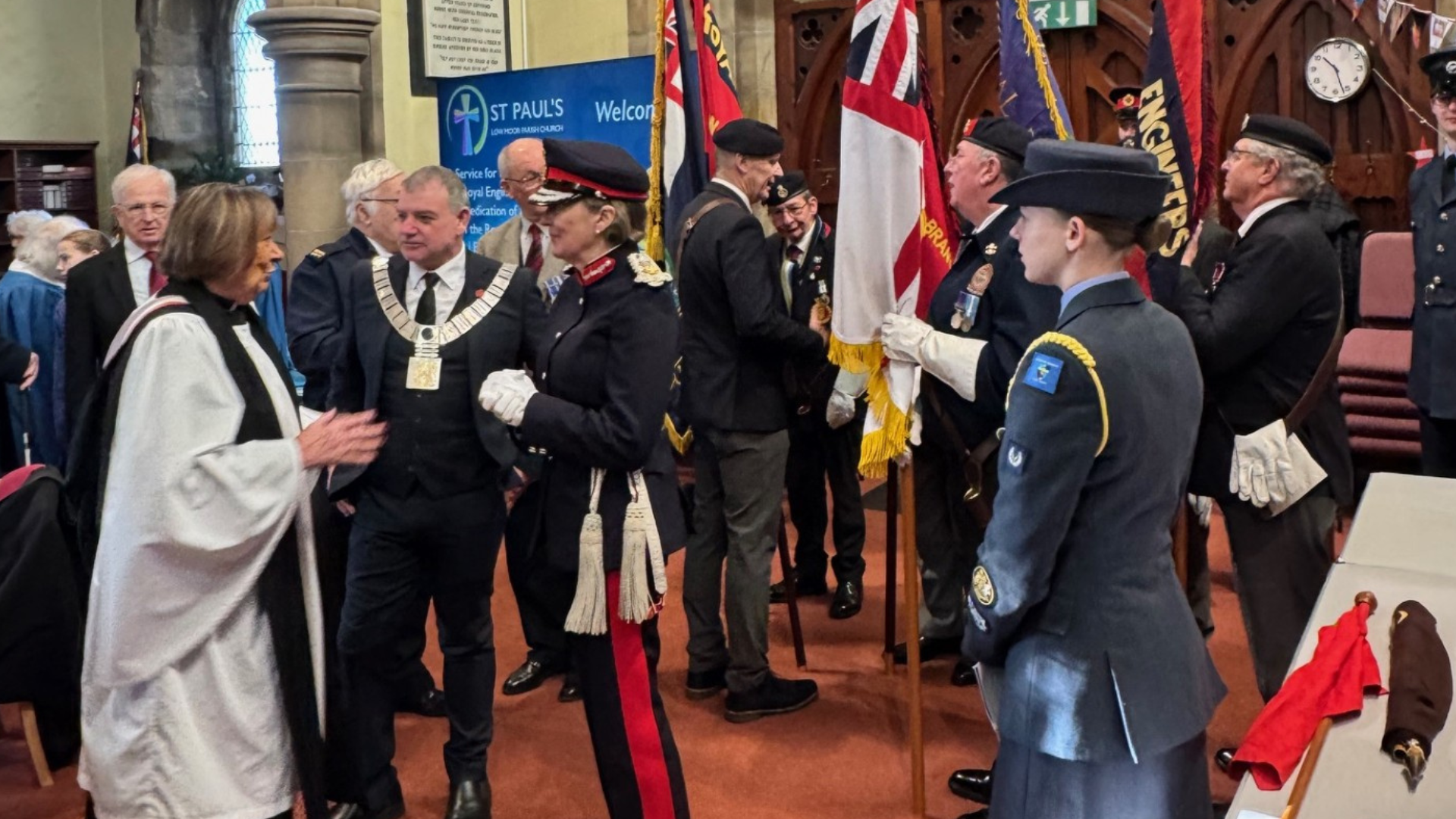
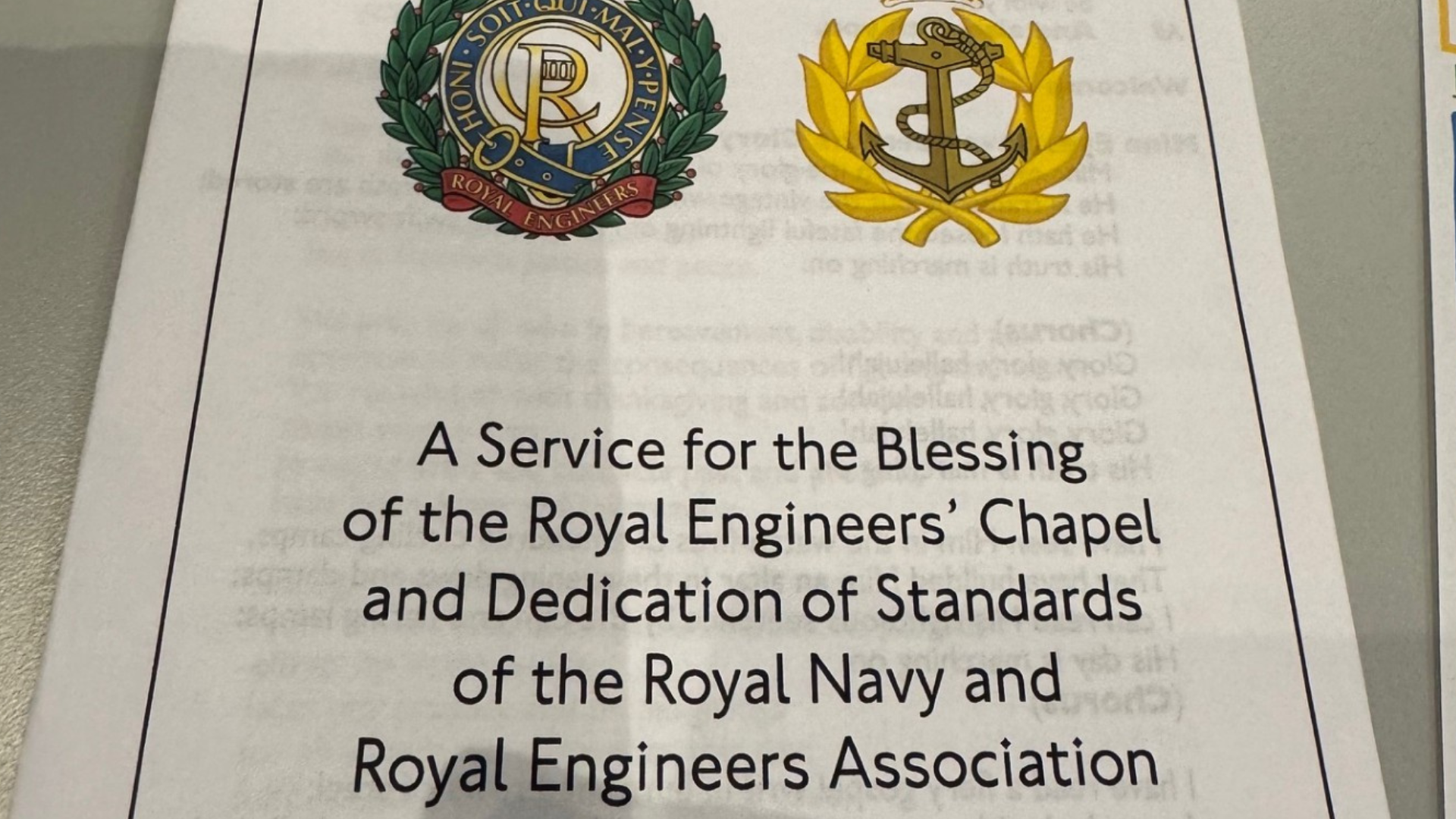
This week’s service at St Paul’s reflected that shared heritage. It marked the blessing of the Royal Engineers Chapel and the dedication of the standards of the Royal Navy and the Royal Engineers Association — bringing together people and organisations whose stories all trace back to Low Moor in one way or another.
Among those attending were:
- Four members of the Merseyside Submariners Association (pictured) – there because of the lasting link created by Lt Cdr Garnett’s story and the connection to the HMS Thetis tragedy.
- His Majesty’s Lord Lieutenant of Lancashire, Amanda Parker JP, representing His Majesty the King.
- The Mayor of Ribble Valley, Councillor Simon O’Rourke.
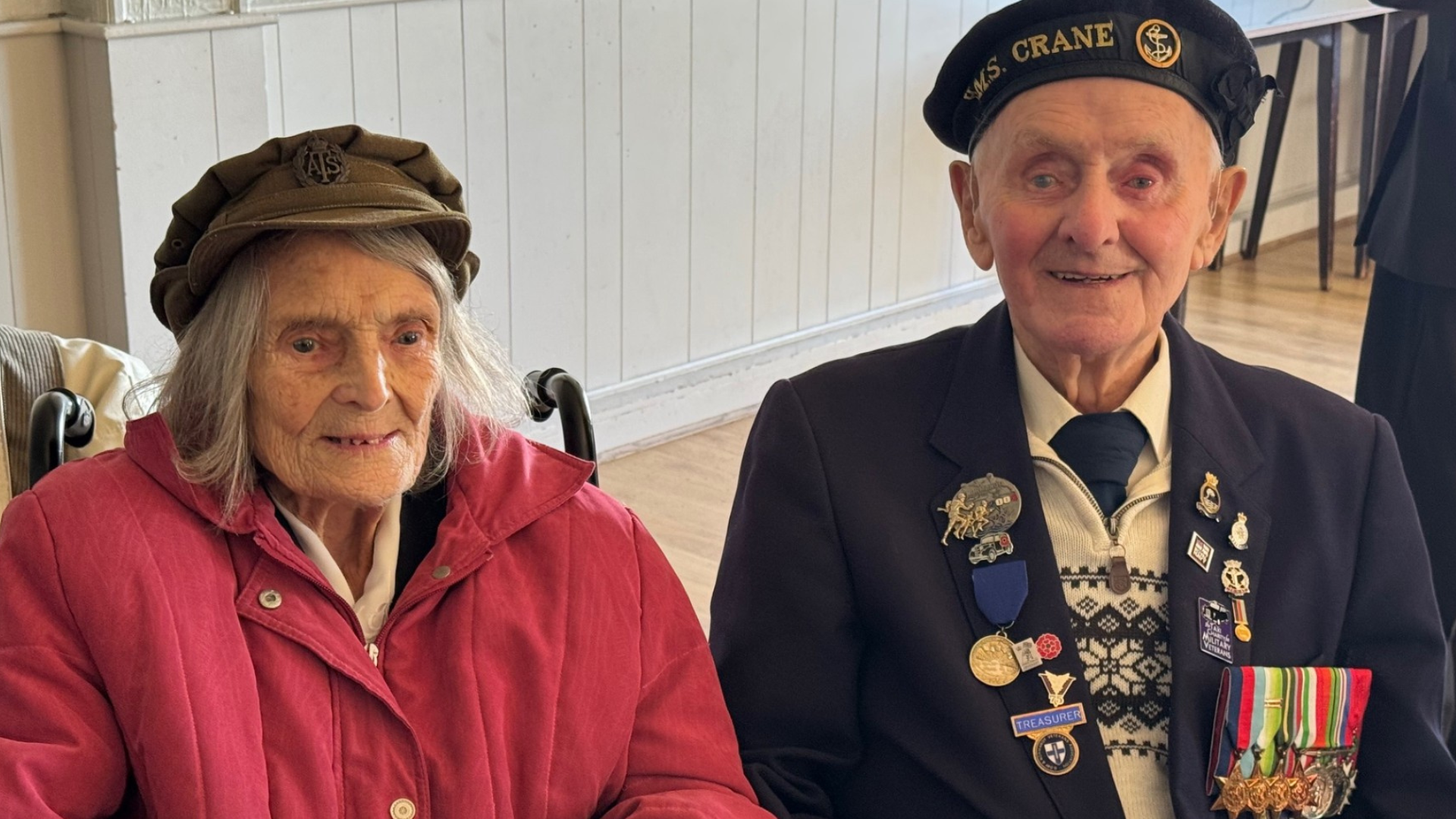
- WWII centenarian veterans, quietly reminding everyone how close this history still is.
- Local cadet forces, whose involvement added a welcome sense of continuity.
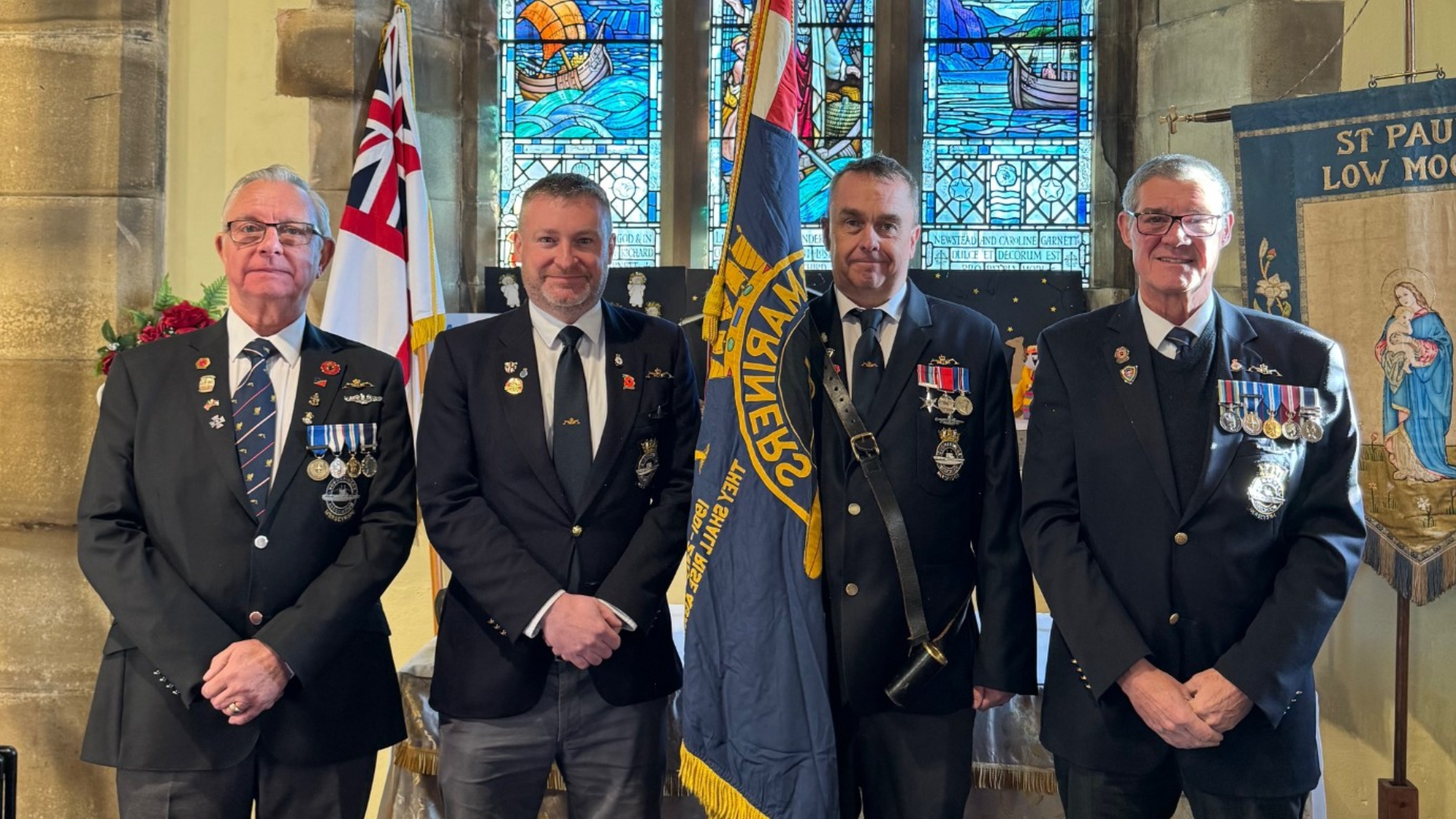
Pictured L-R, Brian Woods, Richard James, Karl Woolfall, Charlie Neve.
Karl Woolfall did the honours in carrying the Merseyside Submariners Association standard on behalf of the branch.
The joint representation of both the Royal Engineers and the Submarine Service came together thanks to Colonel David Waters (Retired), President of the Lancashire Armed Forces Association, who contacted Commander Charlie Neve, Royal Navy (Retired) — local veterans’ champion and former head of the UK Submarine Rescue Organisation — to rally the troops and ensure both groups were involved in the service.
Today, to step into St Paul’s is to step into a layered story:
- the mill-owners who shaped Low Moor,
- the soldiers who trained on their land,
- the submariner son whose sacrifice is remembered in glass,
- and the modern veterans who continue to honour all three legacies.
In a single Lancashire village, the threads of heritage — cotton, stone, water, war — still meet, still matter, and still shine in the quiet light of a chapel built for memory.
It was a genuine pleasure to represent the association on such a special occasion.
Resurgam